The legacy of the god Dionysus
Exactly forty years ago, at the archaeological site of Timacum Minus near the village of Ravna, not far from Knjaževac, a small terracotta head of the god Dionysus was found. The face of the god of wine and nature's abundance is crowned with a wreath of vine leaves, clear evidence that wine was enjoyed in this important economic centre of the Roman Empire – as other traces of ancient material culture also attest. The Knjaževac region, then, is a land with two millennia of wine history.

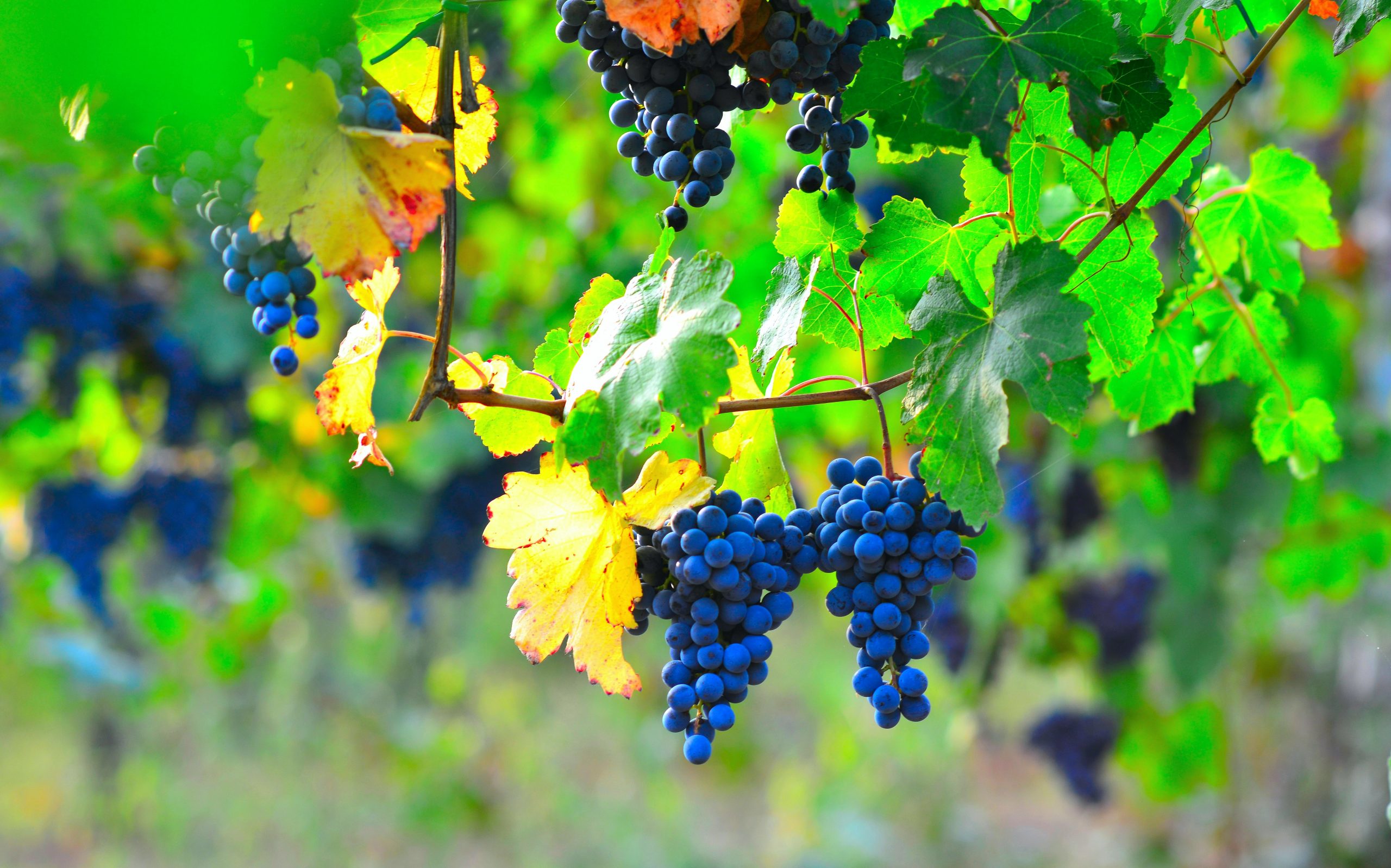
The Knjaževac region is surrounded on all sides by the mountains of the upper Timok valley. Deli Jovan, Crni Vrh, Malinik, Rtanj, Tresibaba and the wild Tupižnica look down on this land, leaving it somewhat isolated from the rest of eastern Serbia but also softening the winds that reach an area prone to early snow. In the four wine districts of the Knjaževac region – Bor, Boljevac, Zaječar and Potrkanje – Riesling, Cabernet Sauvignon, Grašac (Welschriesling), Chardonnay, Pinot Noir, Sauvignon Blanc, Merlot, Vranac and Muscat Hamburg are all grown with success.
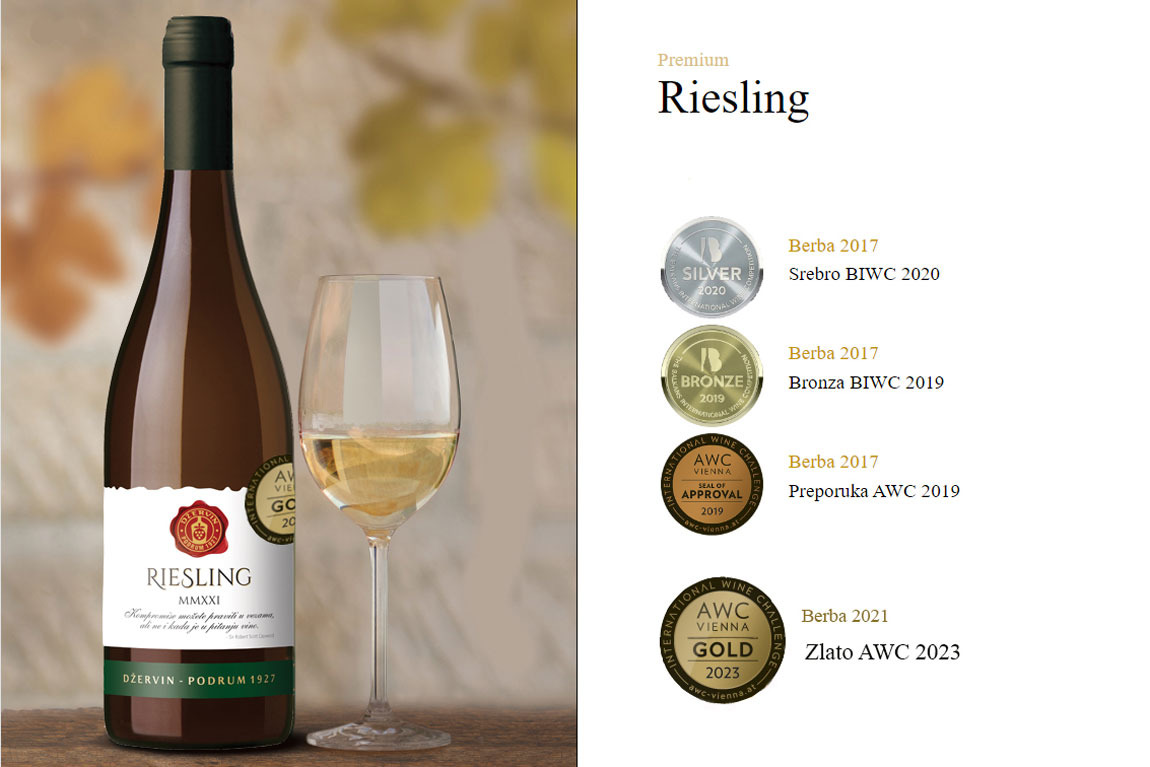
The history of the Knjaževac wine region is closely tied to the Džervin agricultural combine and its rich, fascinating story. In 1922 the winegrower Bogdan Aranđelović, owner of 4.5 hectares of vineyards, sent his son Radul to study at the wine school in Bukovo near Negotin. Radul completed the school successfully and came home with a plan to found a winegrowing and fruit-growing cooperative and bring together the capacities of his native region.